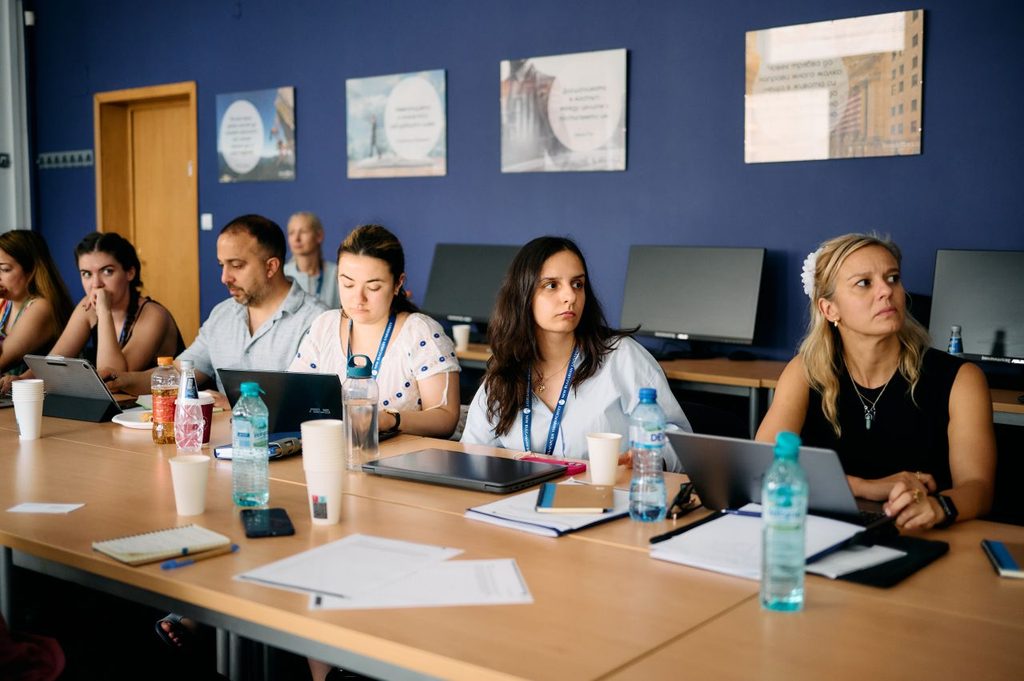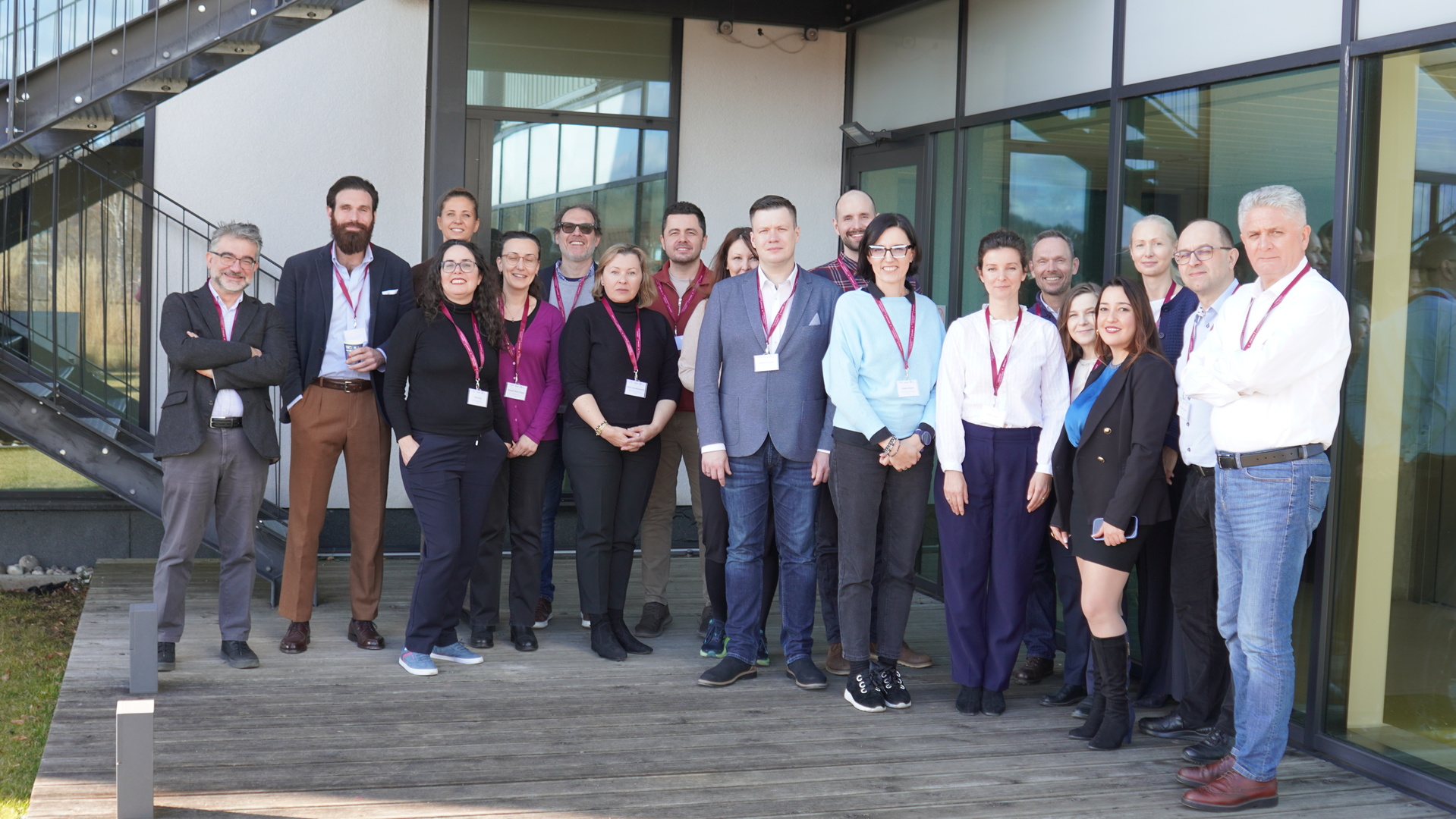
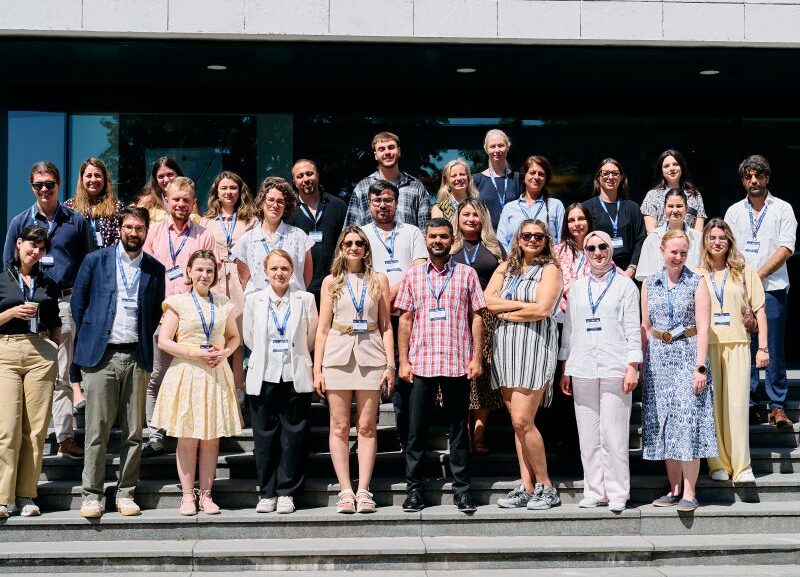
From 29 June to 3 July 2026, the RELINK² COST Action (CA23114) held its first Training School, “eaRLINK Stage Research”, at New Bulgarian University in Sofia, Bulgaria. Over five intensive days, 20 PhD candidates and early postdoctoral researchers took part in lectures, workshops, simulations and mentoring focused on a central question for RELINK²: how digital technologies are reshaping civic engagement, political organisations and democracy, and how these developments can be studied rigorously.
The Training School combined conceptual discussion with practical methodological training and dedicated feedback on participants’ own research projects. Throughout the week, participants worked with RELINK² researchers and trainers on research design, focus groups, literature reviews, content analysis and collaborative approaches to producing meaningful research.
Day 1: Setting the conceptual and methodological stage
The Training School opened on 29 June with an introduction to RELINK² and the week’s programme by Jasmin Fitzpatrick and Petia Gueorguieva.
The first academic session, “Starting point: overview of conceptual and methodological mapping — digital technologies and democracy,” was led by Marco Lisi and Anamaria Dutceac Segesten. Their contributions addressed the importance of conceptual clarity, methodological choices and strong argumentation when studying the digitalisation of state–citizen relationships. Participants then presented their research projects for the first time, establishing a basis for the mentoring and methodological work that would continue throughout the week.
The evening Opening Ceremony included greetings from RELINK² by Felix von Nostitz, followed by a keynote lecture by Anamaria Dutceac Segesten entitled “AI and Democracy: A perfect match?”
The keynote examined the relationship between artificial intelligence and democratic life, raising questions including how opting not to use AI may intersect with the digital divide, what kinds of civic virtues are required in digital democracies, and how AI-generated summaries affect the visibility and interpretation of information. A key distinction concerned the idea that accuracy does not necessarily equate to truth, particularly when information is filtered, condensed or reframed by AI systems.
The discussion highlighted four principles as particularly important for democratic responsibility in the age of AI: traceability, contestability, provenance and recourse. It also drew attention to the distinction between digital skills and civic virtues, and to the broader democratic implications of unequal access to, or use of, AI technologies.
Day 2: Learning focus group methods through practice
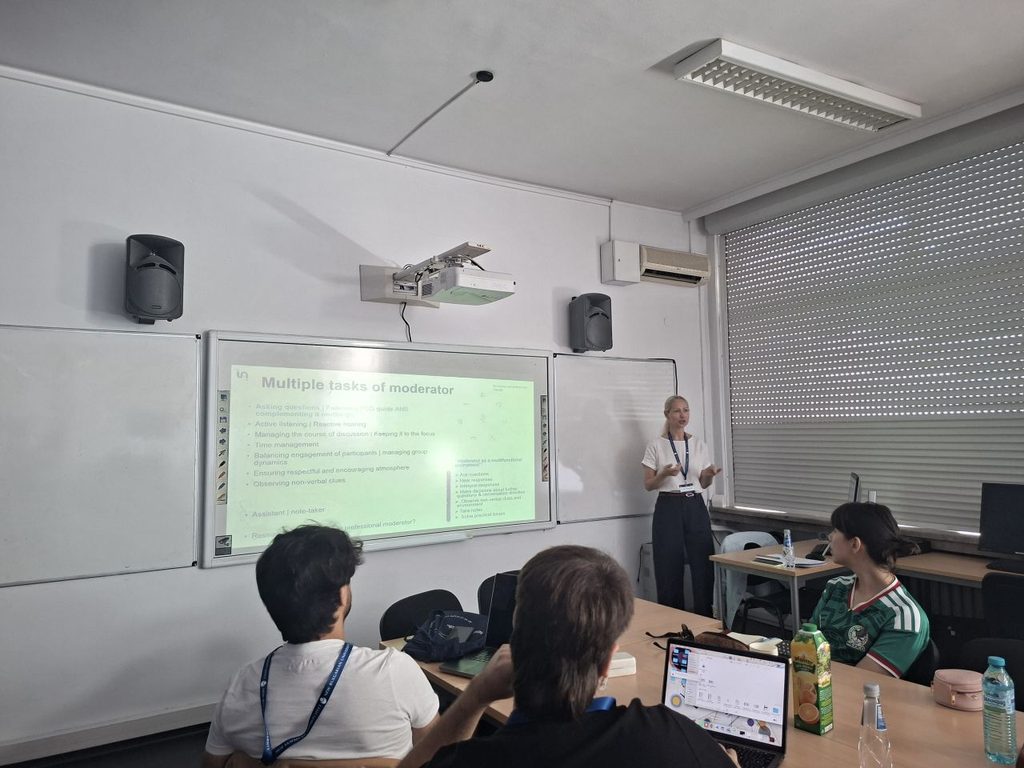
The second day focused on focus group interviews as a method for investigating collective reasoning and social interaction.
Jasmin Fitzpatrick, Inga Gaižauskaitė and Felix von Nostitz led sessions covering both the methodological foundations of focus groups and practical guidance on how to design and conduct group discussions. Participants explored the strengths and limitations of the method, the role of moderation, group dynamics and the kinds of risks that researchers need to anticipate and mitigate.
A hands-on simulation then brought the fictional town of Springville to life. Participants took on the roles of local citizens, moderators and observers to explore how residents might respond to the town’s fictional digital platform, CitizenConnect.
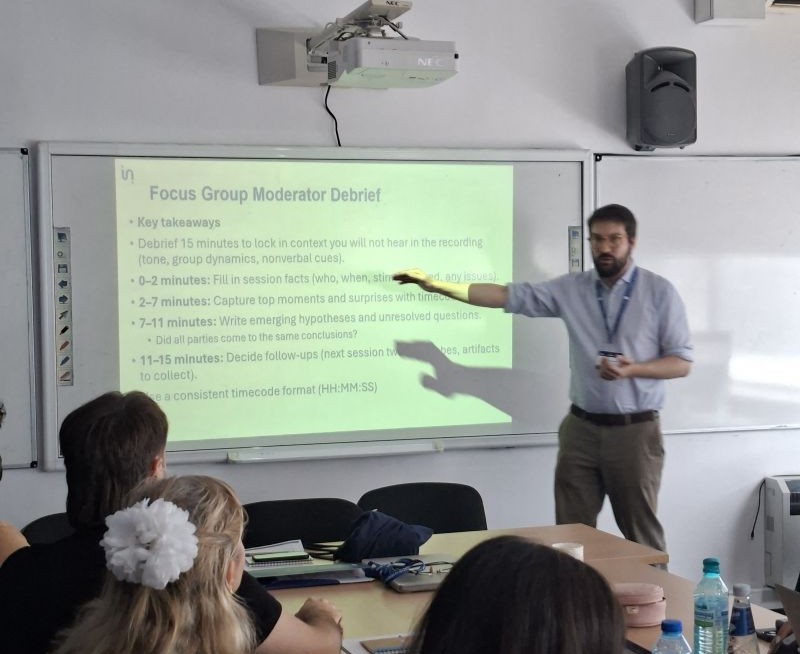
The exercise allowed participants to experience the dynamics of a focus group directly rather than only discussing them in the abstract. The simulation generated reflections on moderation challenges, participant interactions, group effects and possible sources of bias, and it provided a basis for discussing practical strategies to address these issues in research.
The day concluded with a debrief led by Felix von Nostitz, who connected the exercise with the use of focus groups in the ActEU project, offering participants an example of how the method can be applied in ongoing research. The first mentoring session of the Training School also took place that day, giving participants an opportunity to discuss their own projects with the trainers.
Day 3: Systematic literature reviews and content analysis
On 1 July, the programme turned to two further methodological approaches.
Anamaria Dutceac Segesten introduced participants to the PRISMA approach to systematic literature reviews, combining a methodological lecture with an applied workshop. Participants examined how systematic procedures can be used to identify, screen and organise relevant literature and to make the review process more transparent and reproducible.
Felix von Nostitz then led a session on methodological approaches to content analysis, discussing how researchers can systematically analyse textual and other forms of communication relevant to political and democratic research.
The day also included further mentoring, allowing participants to connect the methodological approaches presented during the school with the specific questions, data and designs of their individual research projects.
Day 4: Going beyond individual research
The fourth day broadened the focus from individual projects to the wider collaborative and societal dimensions of research.
Michal Jacunski and Irma Nugrahanti led two lectures and a group task on “going beyond individual research.” The sessions encouraged participants to reflect on how research develops through collaboration, exchange and engagement beyond the boundaries of a single project or researcher.
The day concluded with a World Café discussion centred on what it means to offer meaningful research. Participants considered how research can generate value not only through methodological rigour, but also through its relevance, communication and contribution to wider academic and societal debates.
A week of methodological exchange and mentoring
Across the five-day Training School, the combination of lectures, applied exercises, project presentations and mentoring created space for participants to test methodological approaches, discuss research challenges and receive feedback from experienced researchers.
The programme also encouraged participants to connect methodological questions with broader issues at the core of RELINK², including digital democracy, civic engagement, political organisations, artificial intelligence and changing state–citizen relationships.
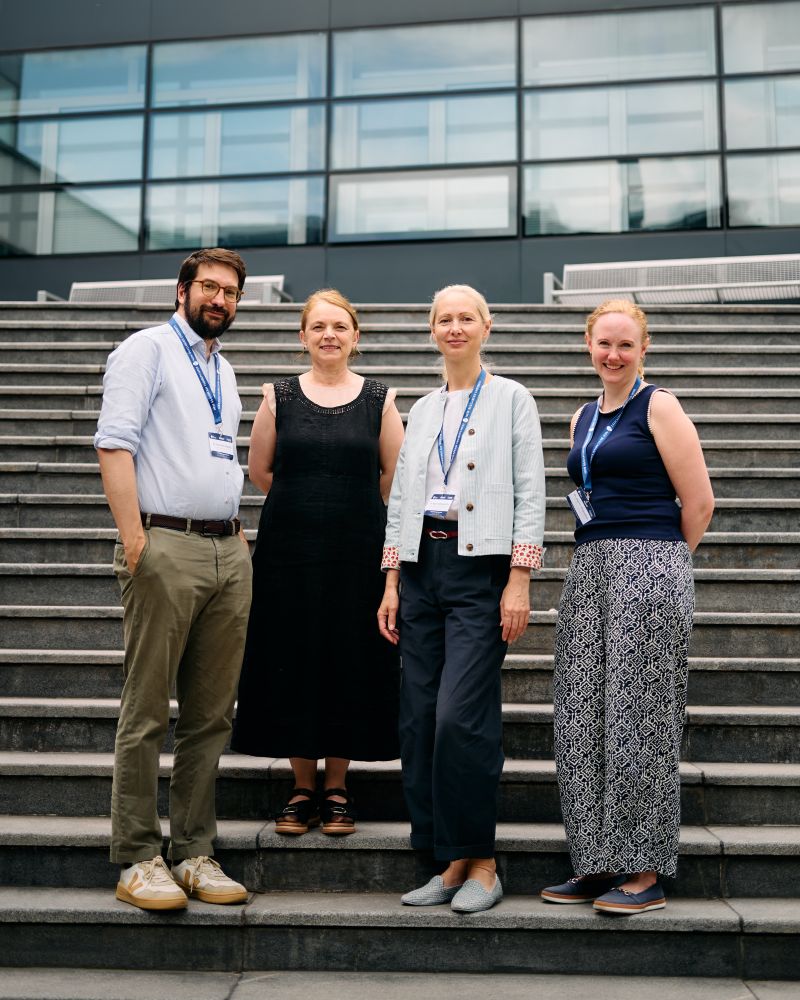
RELINK² thanks the organisers, lecturers and trainers who contributed to the Training School: Jasmin Fitzpatrick, Petia Gueorguieva, Marco Lisi, Anamaria Dutceac Segesten, Felix von Nostitz, Inga Gaižauskaitė, Michal Jacunski and Irma Nugrahanti, as well as Michal Malý, the local team at New Bulgarian University, and all participants for their engagement, energy and collaboration throughout the week.
The Training School was organised within RELINK² – Re-establishing Links between Political Parties and Citizens in the Digital Age, COST Action CA23114, supported by COST – European Cooperation in Science and Technology.